
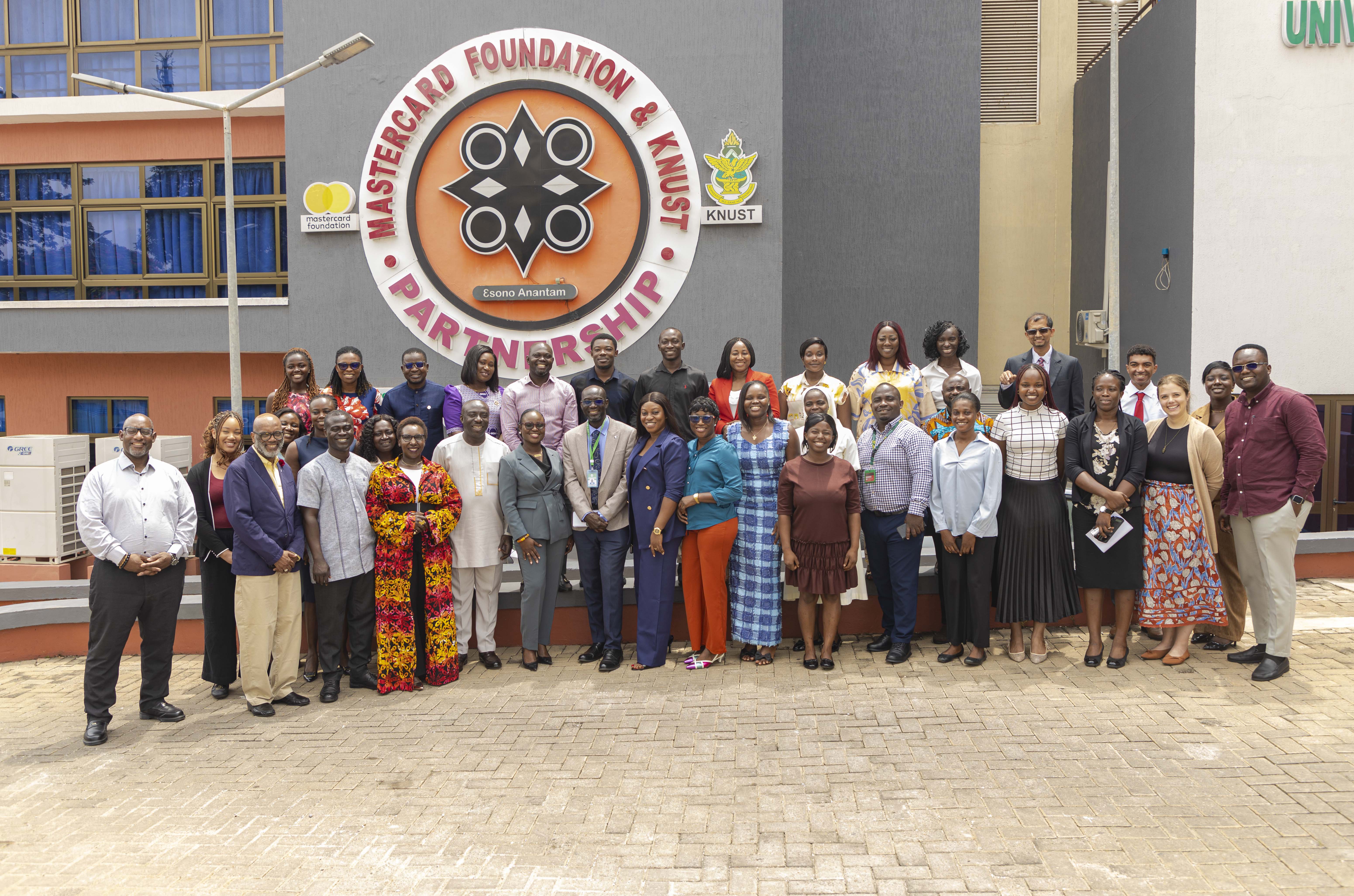
The Kwame Nkrumah University of Science and Technology, Kumasi (KNUST), through its School of Public Health, has convened researchers, health professionals, policymakers and community stakeholders to explore strategies for improving cervical cancer prevention, education and access to care in Ghana.
The project, "Bridging Health Policy, Prevention and Cancer Care Access in Ghana through Education," is a collaborative research initiative between KNUST and the University of Wisconsin–Madison. It seeks to identify barriers to cervical cancer prevention and develop culturally responsive approaches to improve awareness, screening uptake and policy implementation.

The Principal Investigator, Dr. Princess Ruhama Acheampong, said engaging stakeholders from the outset was essential to ensuring that research findings translate into practical interventions and policy reforms.
She said cervical cancer remains a significant public health challenge in Ghana and called for collective action to strengthen education and awareness.
"We want to go out there in our respective places. We want to be the ambassadors of education, the people leading the change and making a difference in advancing health in Ghana and beyond," she said.
The Co-Investigator, Dr. Michael Owusu-Ansah, said public education strategies must be tailored to the specific needs of different populations to improve the uptake of cervical cancer prevention and treatment interventions.
He noted that effective communication should consider varying levels of knowledge, cultural beliefs and information needs to achieve meaningful behavioural change.
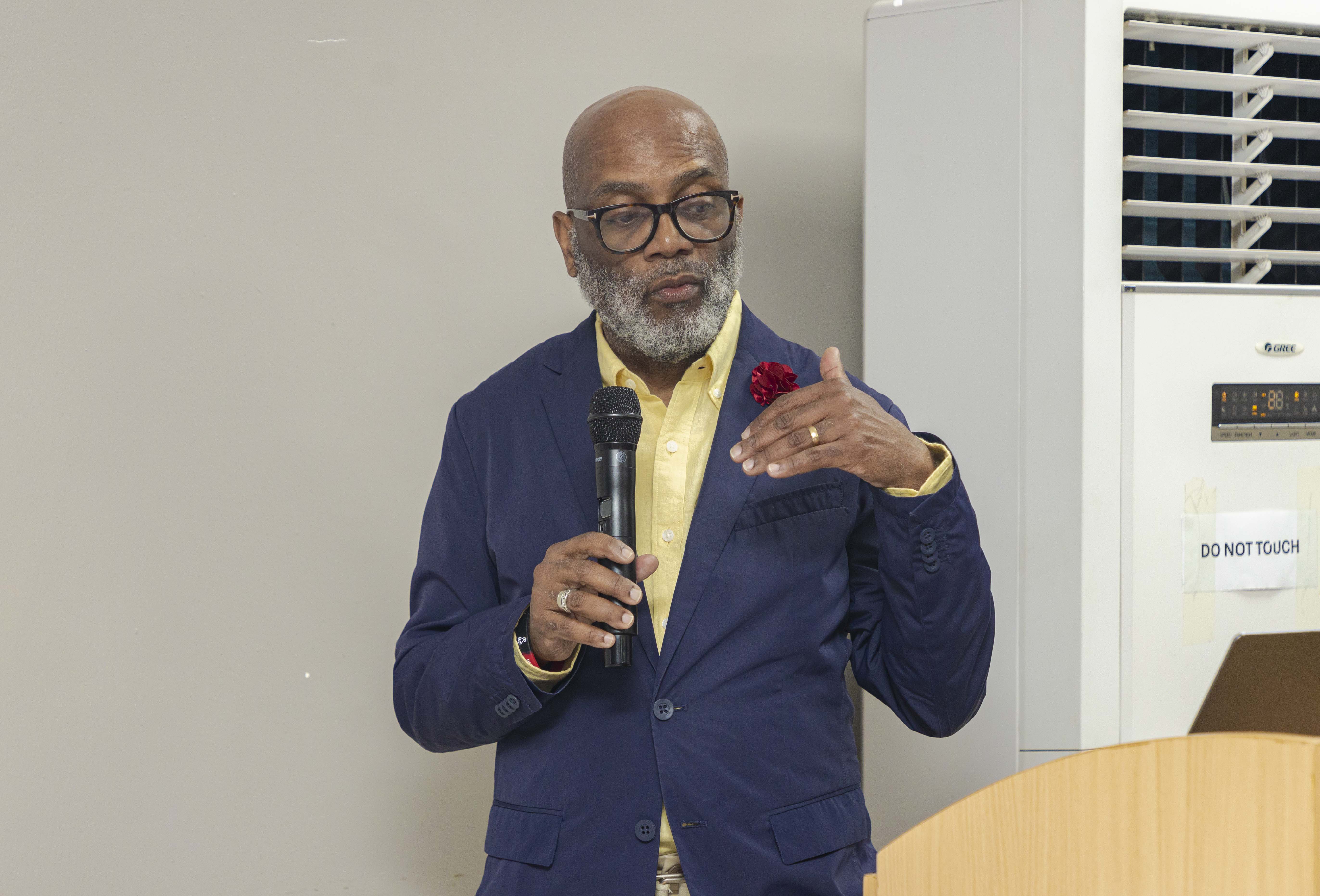
Prof. David Jeffery Pate Jr. of the University of Wisconsin–Madison, presenting an overview of the project, said the initiative was inspired by Ghana's high cervical cancer burden and the need for evidence-informed strategies to address gaps in prevention and care.
He said the research would analyse barriers to cancer care and examine effective communication strategies for cervical cancer prevention and HPV vaccination.
According to him, the project will adopt a community-engaged research approach, working closely with communities and stakeholders to understand local realities and co-create culturally appropriate interventions capable of delivering sustainable public health outcomes.
"Our goal is to develop a culturally responsive public health campaign that builds on local knowledge and community realities rather than simply importing approaches from elsewhere," he said.
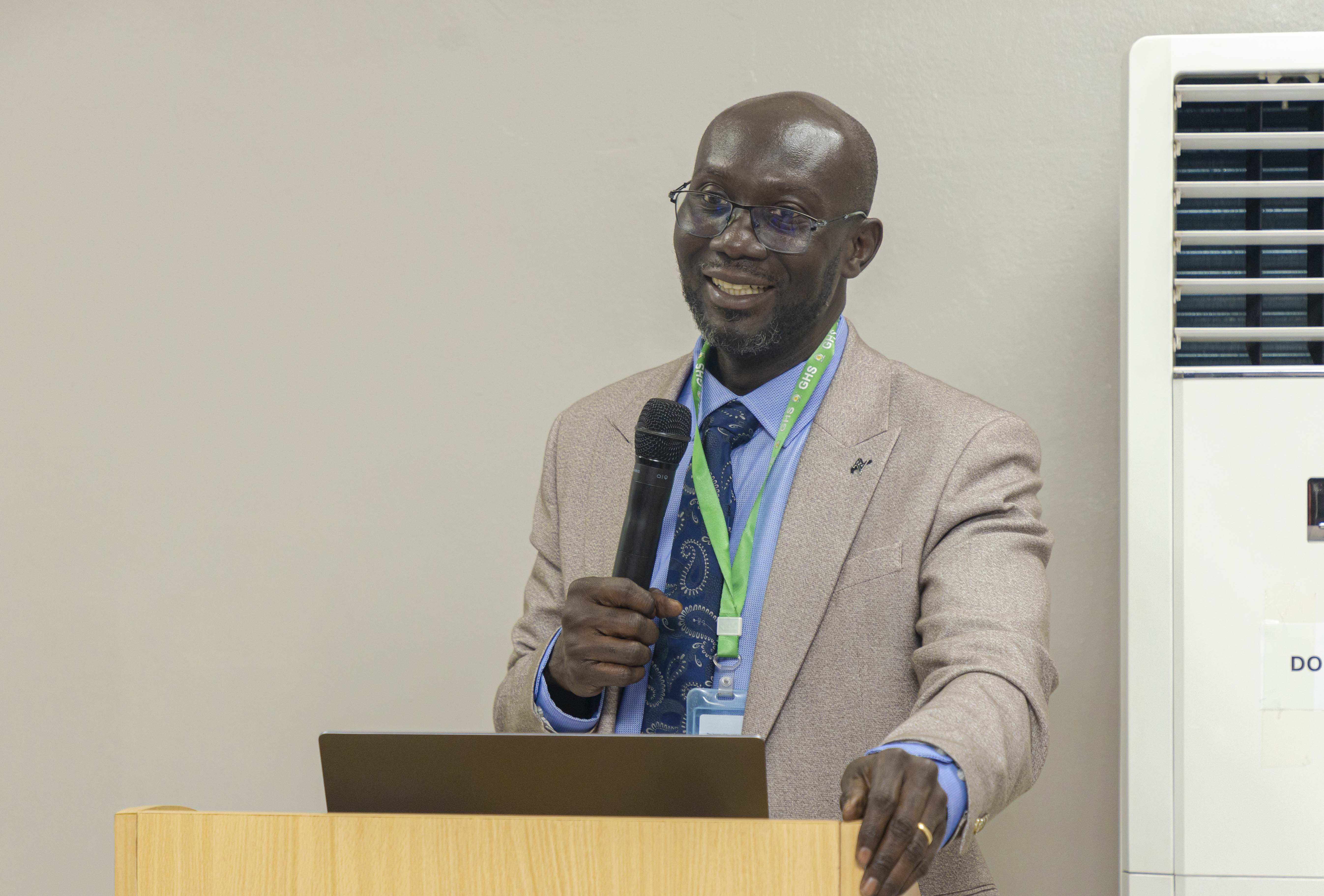
The Ashanti Regional Director of Health Services, Dr. Fred Adomako-Boateng, highlighted major challenges to cervical cancer prevention in Ghana, including low screening rates, limited public awareness, persistent misconceptions about the disease and delayed healthcare seeking.
"Education is key when it comes to disease prevention and health promotion. The more people know, the more likely they are to seek life-saving interventions," he said.
Dr. Adomako-Boateng called for stronger collaboration among health authorities, researchers, educational institutions and the media to expand awareness and improve access to screening and referral services.
Dr. Augustine Tawiah, Senior Lecturer in the Department of Obstetrics and Gynaecology at KNUST, challenged the perception that financial constraints were the main barrier to screening, arguing that inadequate awareness and misconceptions remain the greatest obstacles to cervical cancer prevention.
"Cervical cancer is 100 per cent preventable, yet women continue to die because they do not access screening early enough. The challenge is education," he said.
Dr. Tawiah said simple and affordable screening methods are available and can significantly reduce cervical cancer cases when used effectively. He urged participants to help dispel myths surrounding HPV vaccination and cervical cancer screening.
The stakeholder engagement brought together Directors of Health Services, health promotion officers, medical doctors, nurses and other health professionals, providing a platform for dialogue, collaboration and knowledge sharing.


